Reading the Menu Without Fear: An American's Plain-English Guide to Booking a Tokyo Spa Treatment

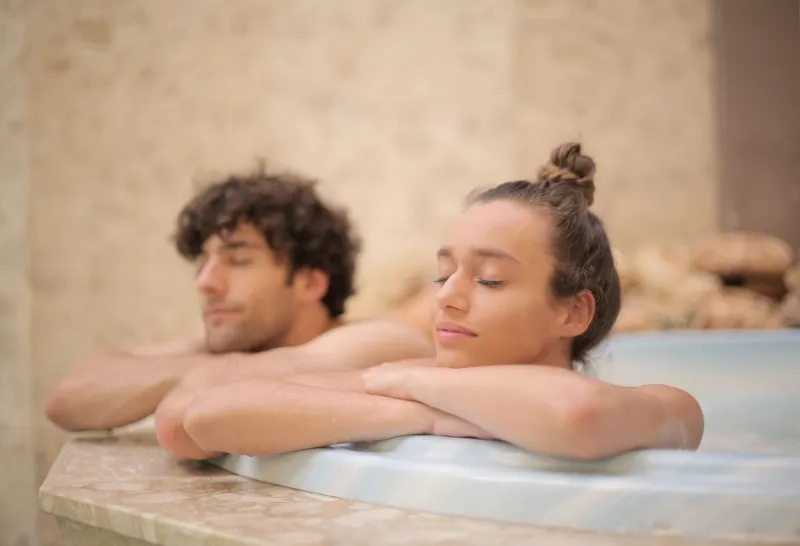
Photo by Photo by Oleg on Unsplash on Unsplash
You have just landed at Haneda, your shoulders have taken up permanent residence near your ears, and you have decided — correctly — that a massage is the right first act in Tokyo. Then you open a spa menu and encounter a wall of unfamiliar terms. Do not close it. This guide will have you booking with confidence in the next five minutes.
The Core Terms, Translated
Aroma Massage (Aromatherapy Massage). The most accessible entry point. Long, flowing strokes using plant-based essential oils — often yuzu, hinoki, or lavender — chosen for their effect on mood and tension. Best suited to overall stress, sleep trouble, and the general fraying that long flights produce.
Shiatsu. A Japanese bodywork tradition using thumb, palm, and sometimes elbow pressure along specific points and meridians. Typically performed without oil, sometimes through clothing. If your complaint is localized — a knot between the shoulder blades, a stiff neck from fourteen hours of economy seating — shiatsu's precision is unmatched.
Oil Treatment (Oil Course). On many Tokyo menus, this simply denotes a full-body session using oil rather than dry technique. It usually implies longer, more continuous work than shiatsu and is the standard format for aroma massage.
Onsen-Inspired Ritual. Not a bathhouse visit, but a treatment sequence borrowing elements from hot-spring tradition: soaking, warm compresses, steam, or mineral-inspired products. Excellent for travelers who want a full sensory experience rather than a single modality.
Foot Reflexology (Foot Care / Reflexology). Focused work on the feet and lower legs. Underrated for anyone who has spent a day walking Shibuya crossing and its environs.
Matching Your Complaint to Your Booking
- Tight shoulders and neck from desk work or flights: Shiatsu, or a shiatsu and oil combination course.
- Jet lag and mental fog: Aroma massage featuring yuzu or hinoki; the olfactory effect on alertness and sleep rhythm is real and immediate.
- Exhaustion without a specific pain point: A longer full-body oil course, ninety minutes or more.
- Swollen legs after a day of touring: Foot reflexology, ideally in the early evening.
- Wanting the full Tokyo experience: An onsen-inspired ritual with a soak or compress element.
When in doubt, describe your symptoms plainly to the front desk or in your booking note — English accommodation at reputable Tokyo spas is generally good, and practitioners will recommend accordingly.
Etiquette: The Details That Matter
Tipping. This is the single most important cultural note for Americans: do not tip. In Japan, excellent service is the baseline expectation, and a cash tip can cause genuine awkwardness. The listed price is the complete price.
Punctuality. Arrive five to ten minutes early. Sessions begin and end on the hour, and arriving late shortens your own treatment.
Before the session. Shower beforehand if you have come from a day of sightseeing. Most facilities provide this; using it is a courtesy to your practitioner.
During the session. Communicate pressure preferences at the start and anytime during — practitioners expect and respect this. Silence is normal and welcome; you are not obligated to chat.
Afterward. Drink water, take your time rising, and linger over the tea if it is offered. Rushing out diminishes the effect.
What a Session Actually Looks Like, Minute by Minute
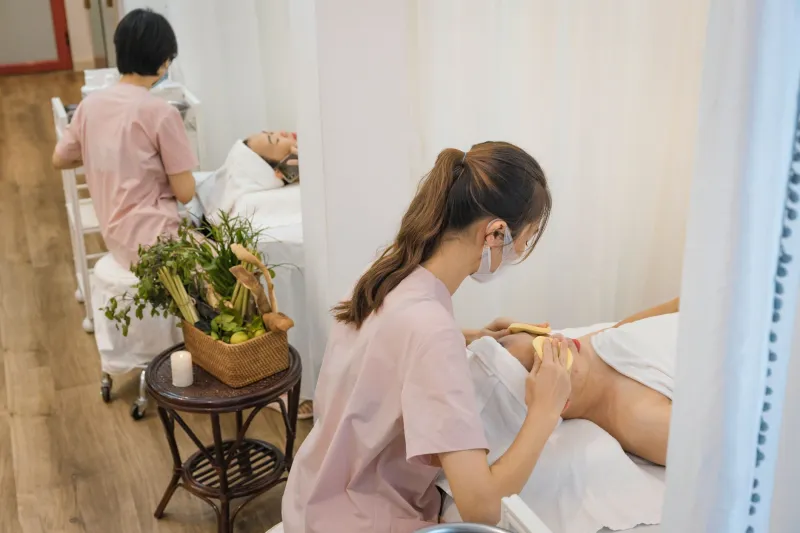
A typical ninety-minute aroma course begins with a brief consultation — pressure, problem areas, oil preference. You undress to your comfort level in private; draping is standard and modest. The massage proceeds from back to limbs, unhurried, with the final minutes often devoted to the scalp and neck. You will be left alone to re-dress, and the session closes with water or tea. The entire experience is calibrated to remove decisions from you for ninety straight minutes — which is, arguably, the treatment's greatest luxury.
Book once and the terminology barrier disappears. Book twice and you will wonder why you ever found the menu intimidating.