Alone and Restored: Why Tokyo's Spa Culture Is the Solo Introvert's Ultimate Recharge Destination
Alone and Restored: Why Tokyo's Spa Culture Is the Solo Introvert's Ultimate Recharge Destination
There is a particular kind of exhaustion that no vacation has ever quite addressed. It is not the tiredness that comes from too little sleep or too much physical exertion. It is the depletion that accumulates when a person — someone who processes the world deeply, who finds crowds draining rather than energizing — has spent months performing sociability at work, at gatherings, and even on trips that were supposed to be restful. For Americans who identify with that experience, the conventional travel prescription rarely helps. Group tours, bustling resort pools, and nightlife-heavy itineraries can leave introverts returning home more worn than when they departed.
Tokyo, understood correctly, offers something different. And for a growing number of solo American travelers, the city's spa and wellness culture has become the answer to a question they had been asking for years: where does someone go to genuinely recover?
The City That Respects Your Silence
Japanese social culture is, in many ways, built for the introvert. Quietude is not considered awkward here. Solitude in public — reading alone, dining alone, sitting in contemplative stillness — carries no social stigma. In Tokyo's wellness establishments, this cultural disposition translates into an environment where guests are never pressured to perform cheerfulness or engage in small talk. The service is attentive without being intrusive. The atmosphere is calibrated toward inward experience rather than outward entertainment.
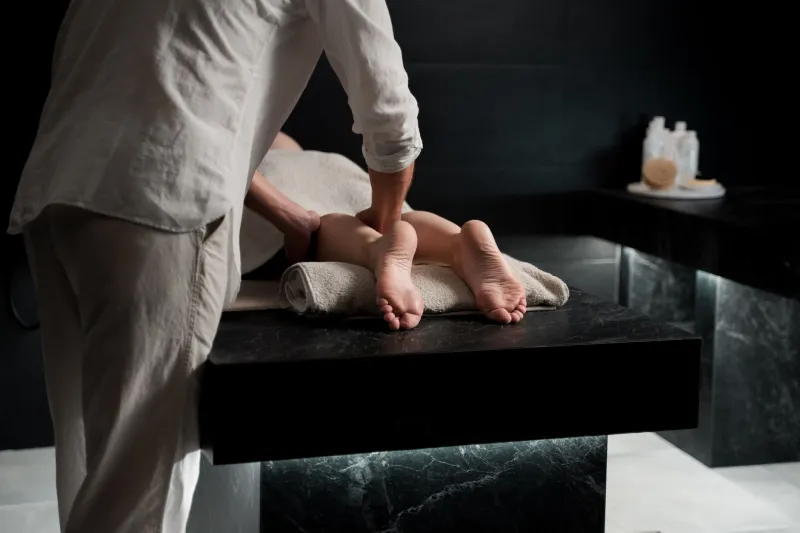
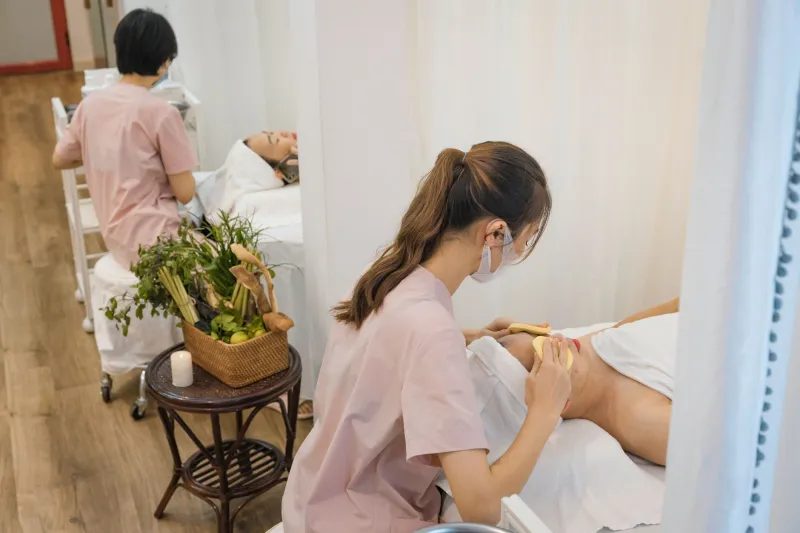
For Americans accustomed to the relentlessly social energy of domestic spas — where ambient conversation, upselling interactions, and open communal spaces are the norm — this distinction is striking. Tokyo's aromatherapy and massage establishments tend to operate with a formality and precision that communicates one clear message: your experience is the priority, and you will not be interrupted in the middle of it.
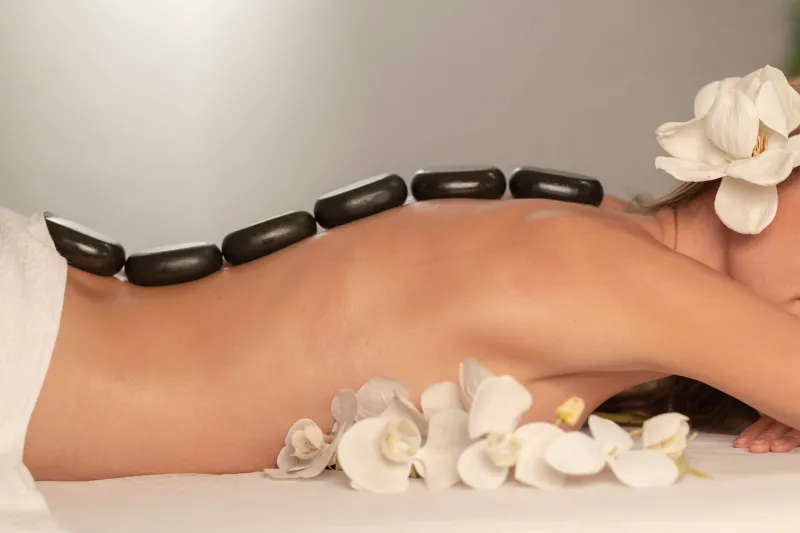
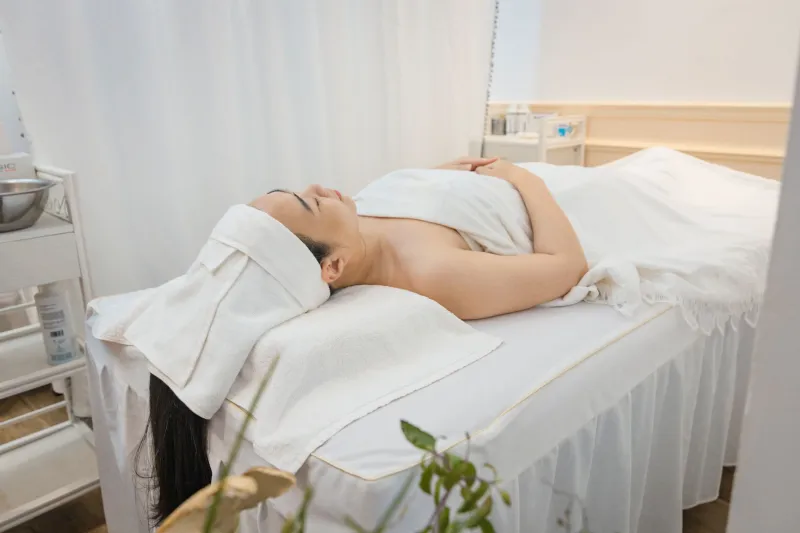
At Diana Tokyo Aroma Massage, this philosophy is woven into every aspect of the guest experience. Treatment rooms are private. Consultations are conducted with care and without rush. The selection of essential oils — whether the grounding warmth of hinoki cypress, the citrus clarity of yuzu, or the soft, meditative quality of Japanese lavender — is made in quiet collaboration with each guest before the session begins. There is no performance required of you. You arrive, you are received with genuine consideration, and then the work of restoration begins.
Building a Solo Spa Itinerary in Tokyo
Planning a spa-centered solo trip to Tokyo requires a different framework than the standard tourist checklist. The goal is not to maximize experiences per day. It is to create the conditions for deep recovery — which means intentional pacing, deliberate choices, and scheduled stillness.
Begin with your arrival window. Long-haul flights from the United States — typically fourteen hours or more from the West Coast — arrive in Tokyo with your body in a state of physiological disruption. Booking a morning or early-afternoon aromatherapy session on your first full day is not indulgent; it is strategic. The combination of targeted massage and carefully selected essential oils helps to recalibrate the nervous system, ease the muscular tension that accumulates during prolonged travel, and gently signal to the body that rest is now permissible.
Design your days around stillness, not sights. A solo spa trip to Tokyo does not require you to abandon the city's extraordinary character. But it does ask you to reorganize your priorities. Consider limiting yourself to one or two low-stimulation cultural experiences per day — a walk through a quiet garden, an early visit to a neighborhood shrine, a slow breakfast at a neighborhood coffee shop — and reserving the center of each day for your treatment or recovery period. The city's efficient transit system makes it easy to move between neighborhoods without overstimulation, particularly if you travel outside peak commuting hours.
Book private sessions in advance. Tokyo's reputable wellness establishments fill their private treatment slots quickly, particularly during spring and autumn when tourism peaks. Reserving your sessions before you depart the United States gives you two advantages: the security of knowing your recovery time is protected, and the psychological benefit of having something genuinely restorative to look forward to throughout your travel day.
Incorporate intentional intervals between treatments. Rest is not the absence of activity. It is a practice. Between sessions, consider spending time in your accommodation rather than defaulting to more sightseeing. Many of Tokyo's hotels offer quiet lounges, private baths, or garden access specifically designed for contemplative rest. Use these spaces. Allow the effects of your aromatherapy treatment to continue working without immediately replacing the sensory input.
What Aromatherapy Does for the Depleted Introvert
The science behind aromatherapy's effect on the nervous system is particularly relevant for individuals who tend toward introversion and sensory sensitivity. Essential oils interact with the olfactory system in ways that can directly influence the limbic region of the brain — the area responsible for emotional regulation, memory, and stress response. For someone whose nervous system has been running in a state of low-grade overstimulation for weeks or months, this is not a minor benefit.
Hinoki, one of the signature scents of Japanese wellness culture, has been studied for its ability to reduce cortisol levels and promote parasympathetic nervous system activity — the biological state associated with genuine rest and recovery. Yuzu, with its bright, clarifying quality, can lift the mental fog that accompanies both jet lag and prolonged stress. Blended thoughtfully by an experienced therapist who has taken the time to understand your specific state of tension, these oils become more than pleasant aromas. They become instruments of physiological change.
For introverts specifically, the privacy of the treatment room amplifies this effect. There is no ambient social noise to process, no awareness of being observed, no need to regulate one's own expression or energy for the benefit of others. The entire environment is designed to allow the nervous system to release what it has been holding.
Why Solo Travel Amplifies the Experience
Traveling alone to Tokyo for the purpose of spa and wellness is not a compromise. It is, for many people, the optimal configuration. Without the negotiation of shared itineraries or the social management that even enjoyable group travel requires, the solo traveler in a wellness context can move entirely according to their own rhythm. If a treatment leaves you wanting to return to your room and sleep for two hours, you may do so without explanation. If you prefer to spend an afternoon in a single quiet neighborhood rather than crossing the city to check off a landmark, that choice is entirely yours.
This quality of self-directed experience is, for introverts, deeply restorative in itself. Tokyo's safety, navigability, and the ease of its public transit system make solo travel here remarkably accessible even for first-time visitors. English signage is common in tourist areas, and the city's service culture ensures that any communication gaps are handled with patience and goodwill.
An Invitation to Arrive Quietly
Tokyo does not demand that you perform your enjoyment of it. It does not require you to be social, loud, or constantly in motion. For Americans who have spent years searching for a travel experience that genuinely restores rather than merely distracts, this city — and the aromatherapy wellness culture at its heart — offers something quietly extraordinary.
You are permitted to arrive here depleted. You are permitted to spend your days in treatment rooms and gardens and peaceful neighborhood streets. You are permitted to leave feeling, for perhaps the first time in a long while, like yourself again.
At Diana Tokyo Aroma Massage, that is precisely the experience we are here to provide.