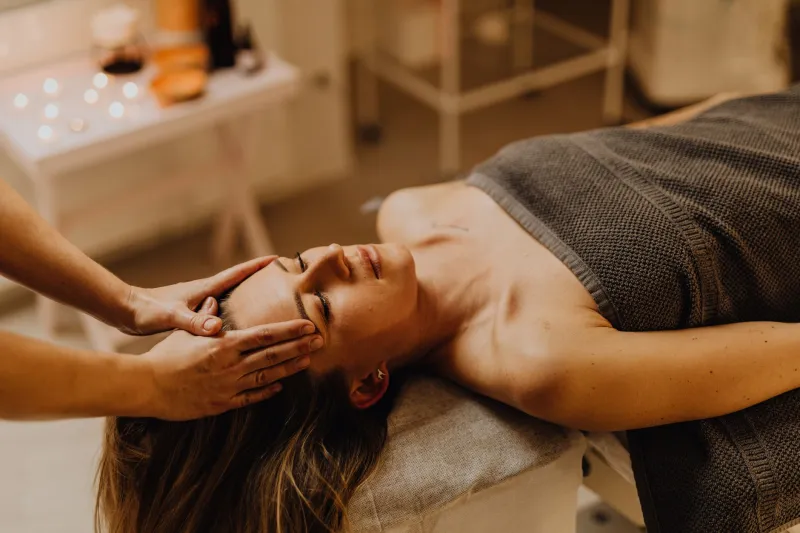
Where East Meets Essence: Why Tokyo Stands Alone as the World's Premier Aromatherapy Destination
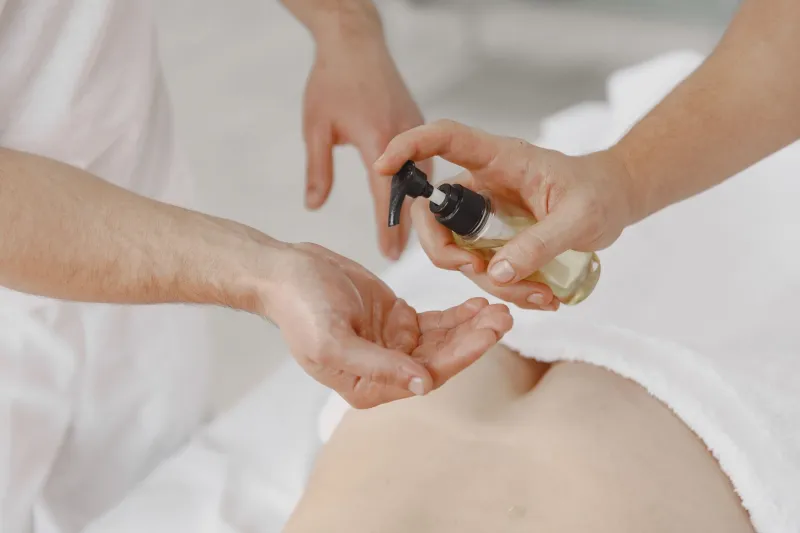
Where East Meets Essence: Why Tokyo Stands Alone as the World's Premier Aromatherapy Destination
For most Americans, aromatherapy massage conjures images of a dimly lit room, a playlist of ambient sounds, and a pleasant but forgettable hour at a local day spa. It is a familiar comfort — reliable, soothing, and largely unremarkable. Then there is Tokyo.
In Tokyo, the same fundamental practice is elevated into something closer to ceremony. The oils are more intentional. The therapist's technique is more precise. The environment communicates a philosophy of care that goes far beyond surface-level relaxation. For any traveler serious about wellness, understanding why this city has become a global benchmark for aromatherapy is the first step toward experiencing it properly.
The Philosophy That Changes Everything: Omotenashi
Japanese hospitality operates according to a concept that has no true English equivalent: omotenashi. Loosely translated as "wholehearted service," it describes an approach to hosting in which every detail — however invisible to the guest — is considered with deep intentionality. Unlike the transactional service culture common in many American wellness settings, omotenashi asks the practitioner to anticipate needs before they are expressed and to serve without expectation of acknowledgment.
In a Tokyo aromatherapy studio, this philosophy manifests in ways that may initially seem subtle. The temperature of the room is adjusted before you arrive. The blend of oils prepared for your session reflects a quiet conversation your therapist had with you upon arrival — not merely a checklist of preferences, but an attentive reading of your mood, your posture, and the tension you carry in your voice. The session does not begin when hands touch skin. It begins the moment you cross the threshold.
For American visitors accustomed to spa environments that prioritize efficiency and throughput, this shift in orientation can feel genuinely transformative.
Japan's Botanical Legacy: Scents with Deep Roots
Western aromatherapy draws heavily from European botanical traditions — lavender from Provence, eucalyptus from Australia, peppermint from the English countryside. These are beautiful, effective oils. But Tokyo's wellness practitioners work with an additional palette of Japanese-origin botanicals that carry their own distinct therapeutic histories.
Hinoki Cypress (Chamaecyparis obtusa) is perhaps the most iconic of these. Revered in Japan for over a millennium, hinoki wood has been used in the construction of sacred temples and imperial bathhouses alike. Its essential oil carries a clean, woody, faintly sweet aroma that has been shown in research to reduce cortisol levels and promote a measurable state of calm. At Diana Tokyo Aroma Massage, hinoki is frequently incorporated into treatments designed to address deep stress and nervous system fatigue — conditions that many of our American guests arrive carrying after long-haul flights and packed travel itineraries.
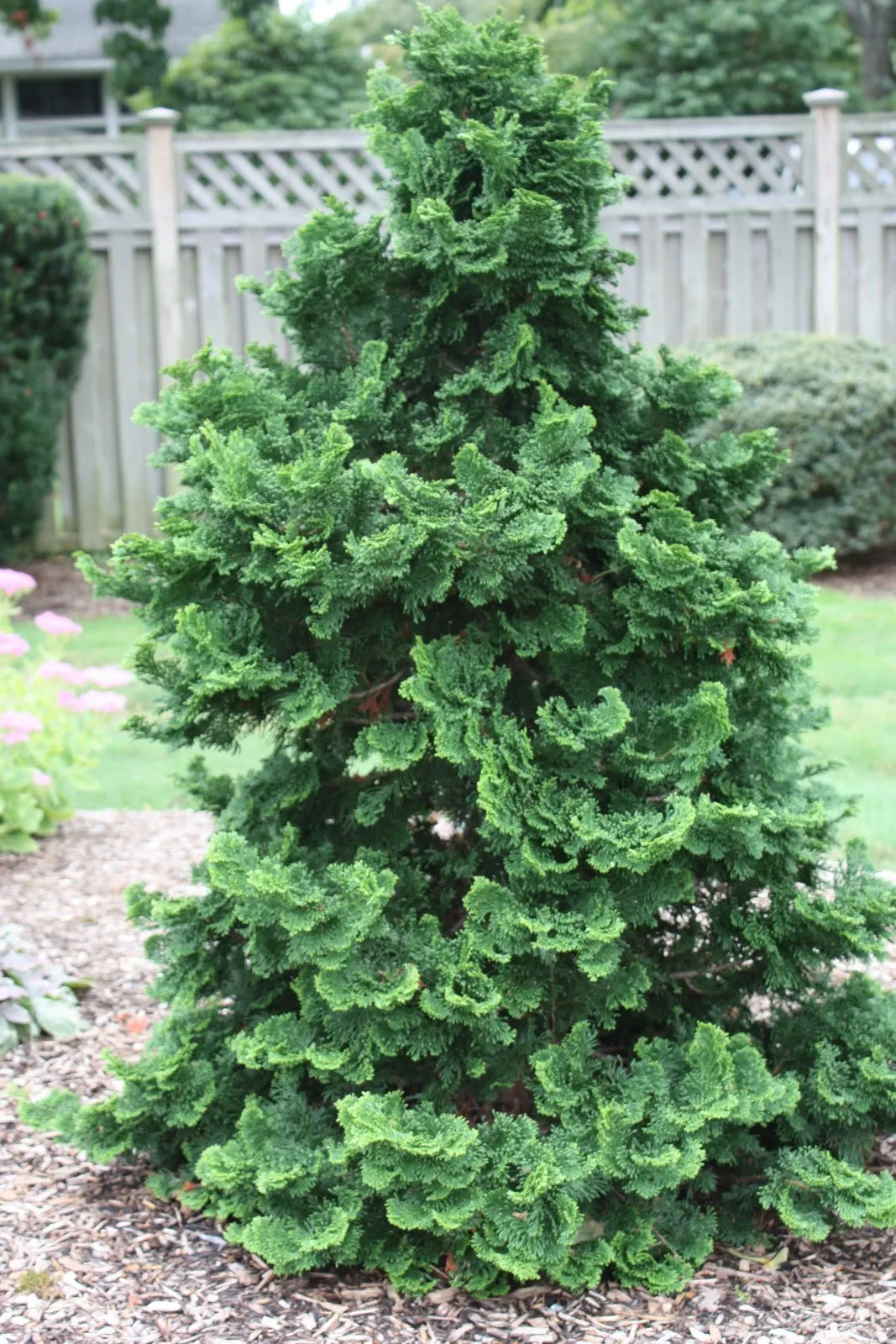 Photo: Hinoki Cypress, via cdn.shopify.com
 Photo: Diana Tokyo Aroma Massage, via elo.hu
Yuzu, a citrus fruit native to East Asia, produces an oil that is simultaneously warming and clarifying. Where Western citrus oils like bergamot tend toward brightness and uplift, yuzu carries a deeper, more complex warmth — closer to a winter hearth than a summer orchard. It is often used in treatments targeting emotional heaviness or mental fog, and its aroma has long been associated in Japanese tradition with purification and renewal.
Kuromoji (Lindera umbellata) is a lesser-known but remarkable botanical — a native Japanese spicebush whose branches yield an essential oil with properties comparable to rosewood. Delicate, slightly floral, and deeply centering, kuromoji has been used in traditional Japanese medicine for generations and is now finding its place in contemporary wellness treatments as interest in indigenous botanical knowledge grows internationally.
The Technical Dimension: Precision as a Form of Care
Beyond philosophy and ingredients, Tokyo aromatherapy practitioners are distinguished by the technical rigor of their training. Many have studied classical Swedish and deep tissue methods alongside traditional Japanese bodywork traditions such as anma — a form of therapeutic massage with roots in ancient Chinese medicine that predates Western massage by centuries. The synthesis of these traditions produces a practitioner who understands the body from multiple theoretical frameworks simultaneously.
This matters practically. A skilled Tokyo therapist can transition seamlessly between the long, gliding strokes of Swedish technique and the targeted pressure-point work derived from anma, selecting whichever approach serves the tissue in front of them at any given moment. Combined with the deliberate application of botanical oils chosen specifically for your condition, the result is a session with genuine therapeutic depth — not merely one that feels pleasant in the moment, but one whose effects you will notice in the days that follow.
Planning Your Wellness-Focused Tokyo Visit: A Practical Guide for US Travelers
For American tourists incorporating aromatherapy into a Tokyo itinerary, a few considerations will significantly improve the experience.
Book in advance. Quality Tokyo wellness studios — particularly those serving an international clientele — fill their appointment calendars quickly. Booking two to three weeks ahead of your arrival is advisable, especially during peak travel seasons in spring and autumn.
Communicate your specific concerns. Japanese service culture values the guest's comfort above all, but therapists benefit from direct communication about areas of chronic tension, any injuries or sensitivities, and your goals for the session. If you are managing jet lag, mention it. If you carry stress primarily in your shoulders and neck, say so. This information allows the practitioner to design your oil blend and technique selection with greater precision.
Allow time before and after. Rushing from a massage table to a subway platform defeats much of the session's purpose. Whenever possible, schedule your treatment so that you have at least thirty minutes of unhurried time on either side — time to arrive calmly and to allow the therapeutic effects to settle before you re-engage with the pace of the city.
Consider a multi-session approach. If your stay in Tokyo extends beyond a few days, two or three sessions spaced across your visit will yield substantially greater benefit than a single appointment. The body's response to therapeutic touch deepens with repetition, and a skilled therapist gains valuable insight into your tissue patterns over successive sessions.
A Destination Worth Choosing Intentionally
Tokyo offers its visitors an almost overwhelming array of experiences. It is a city of extraordinary food, world-class museums, ancient temples, and relentless innovation. Within that abundance, the city's wellness culture represents something quieter and perhaps more lasting: an invitation to slow down, to be cared for with genuine attentiveness, and to leave carrying something more restorative than souvenirs.
At Diana Tokyo Aroma Massage, we have had the privilege of welcoming guests from across the United States who arrived exhausted and departed renewed. The oils, the technique, and the philosophy of care we practice are all rooted in this city's distinctive relationship with wellness. We believe that relationship is worth crossing an ocean to experience — and we look forward to helping you do exactly that.