First-Time in Tokyo? Here's Everything You Need to Know Before Booking a Massage
First-Time in Tokyo? Here's Everything You Need to Know Before Booking a Massage
Tokyo is one of the most visitor-friendly cities on the planet. Trains run on the second, signage is often bilingual, and convenience is practically a civic virtue. Yet for many American travelers, the prospect of booking a wellness treatment — particularly an aromatherapy massage — still carries a quiet undercurrent of anxiety. What if there's a language barrier? Should you tip? What exactly happens during a session? What distinguishes a reputable spa from a less-than-ideal one?
These are fair questions, and they deserve honest, practical answers. Consider this your comprehensive pre-trip briefing — designed to replace uncertainty with the kind of informed confidence that lets you arrive at your appointment already halfway relaxed.
The Language Barrier Is Smaller Than You Think
One of the most common concerns among first-time visitors is the fear of miscommunication. It is worth noting upfront that Tokyo's wellness industry — particularly establishments catering to international guests — has made significant strides in accessibility. Many reputable spas maintain English-language websites, offer booking systems in English, and employ staff who can communicate treatment options with clarity.
That said, a few simple strategies go a long way. Booking in advance through an English-language platform or directly via a spa's website allows you to confirm your preferences — session length, pressure intensity, specific essential oils — before you ever set foot through the door. Arriving with a brief written note summarizing any health concerns or areas requiring special attention is also a widely appreciated gesture that transcends any language gap.
When in doubt, reputable establishments will have intake forms available in English, or will walk you through the process with patience. If a spa cannot accommodate even basic communication with an international guest, that itself is useful information.
The Golden Rule: Do Not Tip
This point cannot be overstated, and it surprises many Americans: tipping in Japan is not customary — and in certain contexts, it can be perceived as impolite. Unlike the service industry in the United States, where gratuity is both expected and essential to a worker's livelihood, Japanese wellness professionals are compensated through their service fees. Offering additional cash can inadvertently imply dissatisfaction with the formal transaction or create an awkward social dynamic.
The most meaningful expression of appreciation in this context is a sincere bow and a verbal thank-you — "arigatou gozaimasu" — delivered with genuine warmth. If the experience was exceptional, leaving a thoughtful review or returning for a follow-up session speaks volumes.
What to Expect During an Aromatherapy Session
For those unfamiliar with aromatherapy-based massage, the experience differs meaningfully from a standard deep-tissue or sports massage. The emphasis is less on aggressive muscle manipulation and more on facilitating a state of profound relaxation through the combined effects of therapeutic touch and carefully selected essential oils.
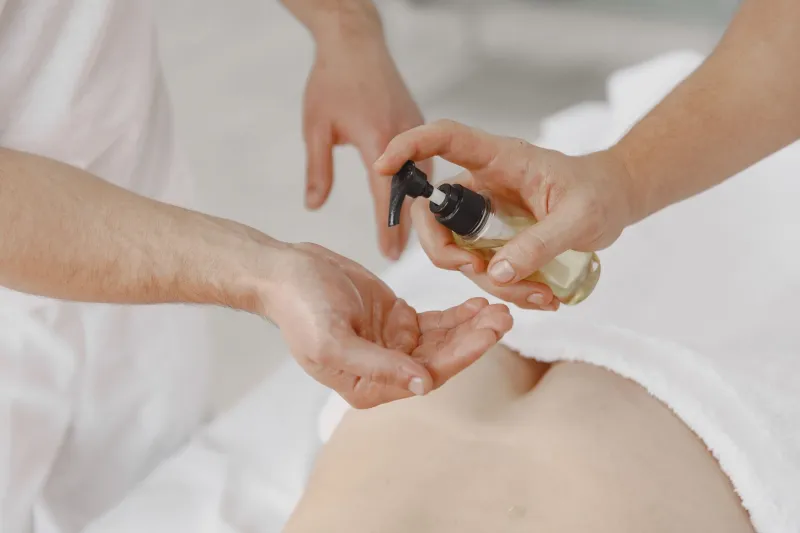
Upon arrival at a quality establishment, you will typically be welcomed into a serene reception area and offered time to complete a brief health consultation. This is your opportunity to indicate any sensitivities, preferences, or areas of physical tension. Based on your responses, a therapist may recommend a specific oil blend — eucalyptus and peppermint for invigoration, lavender and chamomile for deep calm, yuzu or hinoki for a distinctly Japanese sensory experience.
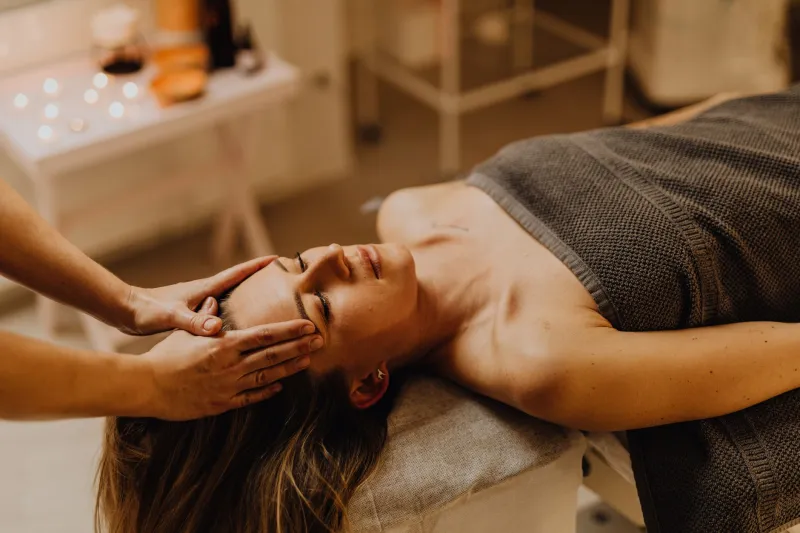
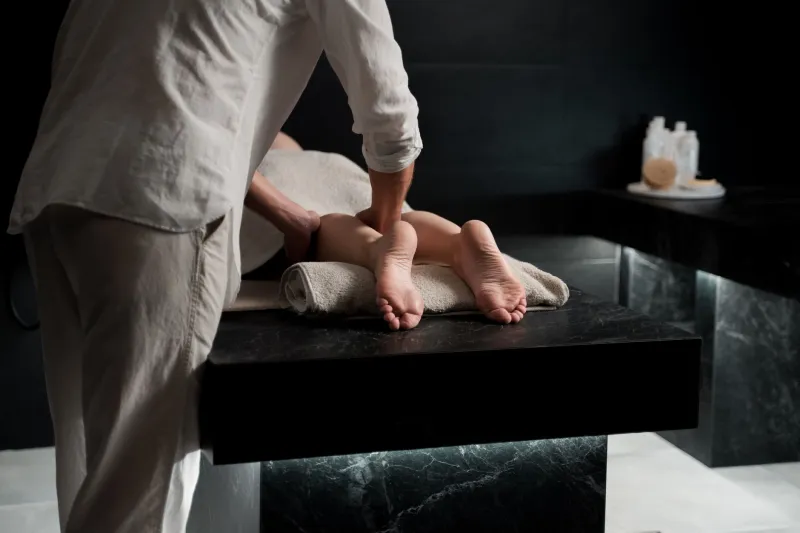
The session itself generally takes place on a treatment table in a private room. Lighting is subdued, music is ambient, and the pace is intentionally unhurried. Therapists trained in aromatherapy massage work with long, flowing strokes designed to encourage circulation, ease muscular tension, and allow the aromatic compounds to absorb through both the skin and the olfactory system. Many guests report a deepened sense of mental stillness that persists well beyond the treatment room.
Sessions typically range from 60 to 120 minutes. First-time visitors are often advised to begin with a 90-minute appointment — long enough to fully surrender to the experience without feeling rushed.
How to Identify a Reputable Spa
Tokyo's wellness landscape is vast and varied. While the city is home to an impressive number of skilled, professional establishments, discerning visitors benefit from knowing what to look for.
Transparency in service descriptions. A trustworthy spa will clearly outline what each treatment involves, which oils or techniques are used, and what the session costs — without hidden fees or vague language.
Qualified therapists. Look for establishments that highlight their therapists' training and credentials. In Japan, practitioners working in professional wellness settings typically hold recognized certifications in massage therapy or aromatherapy.
A thorough intake process. The presence of a health consultation form — whether completed online before your visit or in person upon arrival — signals that the establishment prioritizes your safety and individual needs.
Clear cancellation and booking policies. Reputable spas operate with professional standards that include straightforward rescheduling procedures. Ambiguity around these policies warrants caution.
Guest reviews from international visitors. Platforms such as Google, TripAdvisor, and booking aggregators often feature feedback from travelers with experiences comparable to your own. Consistent praise for communication, cleanliness, and therapist skill is a reliable indicator of quality.
A Few Final Preparations
Beyond the practical logistics, there are small steps that can meaningfully elevate your experience. Arriving 10 to 15 minutes early allows you to settle into the environment before your session begins — a transition that many guests find valuable in itself. Avoiding heavy meals in the two hours prior is advisable, as is dressing comfortably for easy changing.
Hydrating well both before and after your treatment supports the body's natural response to massage and helps extend the sense of ease that follows. And perhaps most importantly: resist the impulse to fill the time immediately after your session with sightseeing or activity. Even a brief period of quiet rest — a slow walk, a cup of tea at a nearby café — allows the experience to settle fully.
Tokyo offers an extraordinary depth of wellness culture for those willing to step into it thoughtfully. With the right preparation, your first aromatherapy massage in this city will not feel foreign or uncertain. It will feel, quite simply, like exactly what you needed.