Three Days, No Itinerary: What Surrendering My Tokyo Trip to Spa Rituals Did to My Body
I had the spreadsheet. You know the one — color-coded by neighborhood, timed to the minute, cross-referenced against train schedules and opening hours. I had mapped out seventeen days of Tokyo across three planning sessions and two different apps. I was, by any reasonable measure, prepared.
Then, about two weeks before departure, I deleted most of it.
I kept my flights. I kept my hotel in Minami-Aoyama, a quieter residential pocket of the city that a friend had recommended specifically because it lacked the sensory overload of Shinjuku or Shibuya. And I kept three days — days four, five, and six of my trip — completely, deliberately empty. No temples. No food tours. No carefully curated experiences designed to maximize cultural exposure per hour.
Those three days were going to belong entirely to my body.
Why I Made the Decision
I should be honest about the state I arrived in. I work in marketing in Chicago, which means I exist in a near-permanent state of low-grade urgency. My sleep had been poor for months. My shoulders had not fully descended from somewhere near my ears in longer than I could accurately remember. I had been functioning — performing the tasks of a competent adult — while running on a stress load that had quietly become my baseline.
I had read enough about Tokyo's wellness culture to understand that it operated on a fundamentally different philosophy than the American spa industry. Japanese therapeutic traditions do not treat relaxation as a reward for productivity. They treat it as a practice — something the body requires with the same regularity as sleep or nutrition. I wanted to experience that philosophy not as a single session squeezed between tourist obligations, but as the organizing principle of an entire portion of my trip.
So I booked three consecutive days of treatments at Diana Tokyo Aroma Massage, researched a neighborhood onsen within walking distance of my hotel, and gave myself permission to do almost nothing else.
Day One: The Resistance
The first morning was uncomfortable in a way I had not anticipated. I woke without an alarm, looked at my phone, saw that it was 8:47 a.m., and immediately felt the familiar pull toward productivity. My brain began generating a list of things I could accomplish before my afternoon appointment. I recognized this pattern — the inability to simply exist without optimizing — and made myself put the phone face-down.
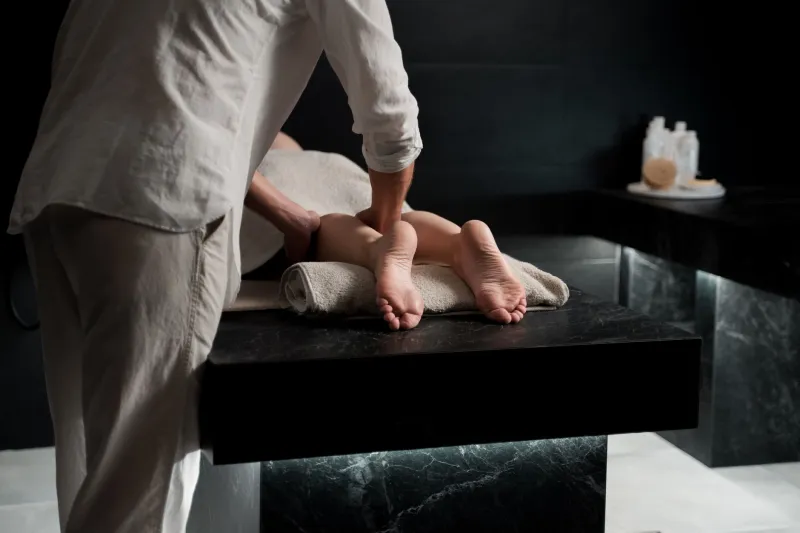
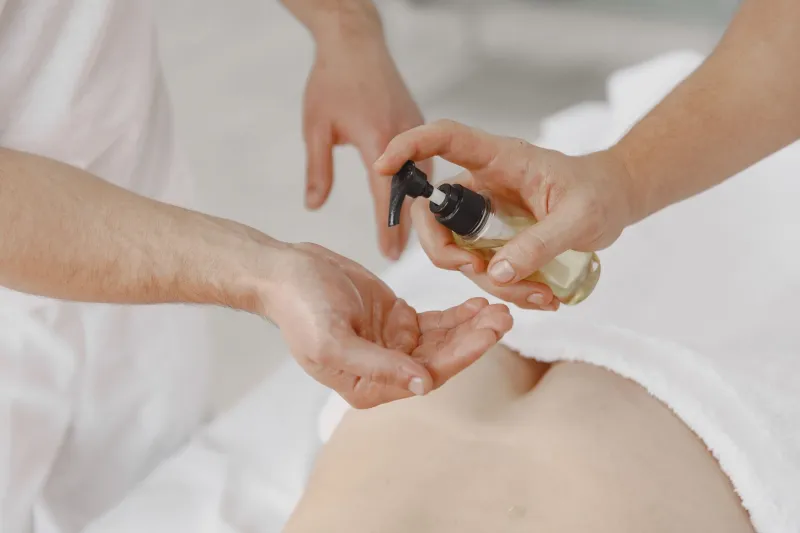
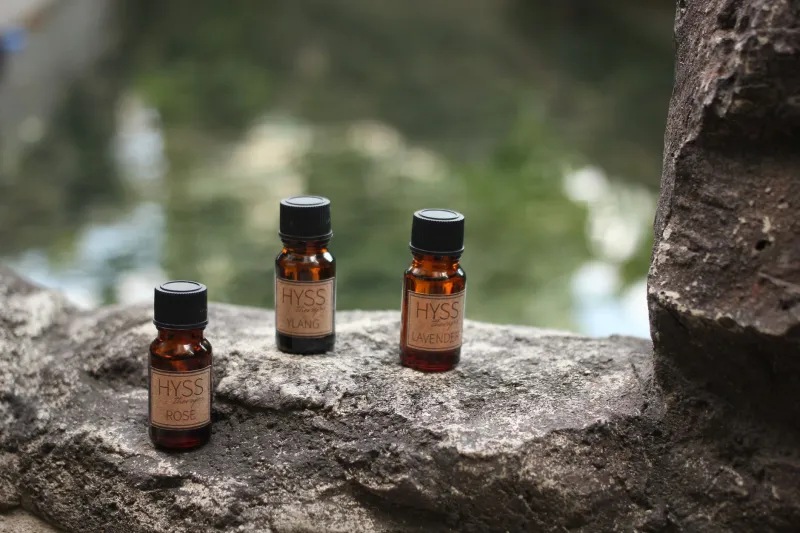
My first aromatherapy session that afternoon was a ninety-minute treatment using a blend centered on hinoki cypress and yuzu. I had done some reading before the trip about the neurological properties of Japanese botanical oils, so I understood intellectually that these compounds were designed to shift the nervous system out of sympathetic dominance. Understanding something intellectually and experiencing it physically are, it turns out, very different things.
About twenty minutes into the session, something shifted. I am not certain how else to describe it. The ambient tension I carried in my jaw, my trapezius muscles, and the space behind my eyes began to release — not dramatically, but in the way that a knot loosens when you stop pulling at it and simply wait. By the time the session concluded, I felt quiet in a way that I had not felt in months.
That evening, I walked to the neighborhood onsen. I soaked in silence for forty minutes. I ate a small dinner at a restaurant near my hotel where nobody rushed me. I was in bed before ten o'clock and slept without waking for nearly nine hours.
Day Two: The Arrival
I have heard people use the phrase "arriving in your body" and always found it slightly precious. After day two, I understood what it meant.
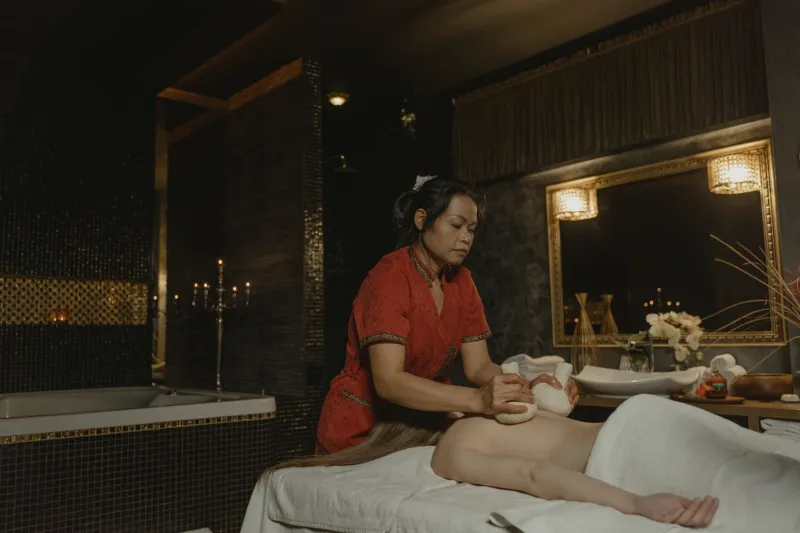
The morning treatment was a full-body aromatherapy massage incorporating sakura and a warming ginger blend, focused on the lower back and hips — areas where, the practitioner explained through a brief consultation, stress commonly accumulates in people who spend extended hours seated at a desk. She was correct. The work done in those ninety minutes was thorough and, at certain moments, genuinely revelatory. I had been carrying tension in my left hip flexor for so long that I had ceased to register it as tension. It had simply become the landscape of my body.
Between treatments, I sat in a small garden near my hotel and read for two hours. I did not check email. I did not photograph the garden for social media. I simply sat in it, which is a thing I had apparently forgotten how to do.
The afternoon brought a shorter session — sixty minutes — focused on the scalp, neck, and shoulders using a rosewood and white tea blend. By the time I returned to the onsen that evening, my body felt categorically different than it had forty-eight hours earlier. Lighter is the word that comes to mind, though I am aware that sounds imprecise. The correct word is probably unbraced — as though the muscular system had finally received permission to stop preparing for the next emergency.
Day Three: The Reckoning
On the third morning, I sat with my coffee and thought seriously about what I had been doing to myself for the past several years. This is not the kind of reflection that typically happens during a busy travel itinerary. It requires stillness, and time, and a nervous system that is no longer in crisis management mode.
I am not going to suggest that three days of spa treatments resolved anything structural about my life. They did not reorganize my workload or improve my sleep environment in Chicago or eliminate the sources of chronic stress that had accumulated over years of demanding professional life. What they did was create enough internal quiet that I could see the situation clearly — which is, in its own way, a significant intervention.
My final treatment was a two-hour session that I had been told was their most comprehensive offering: a full-body aromatherapy massage transitioning into a guided breathing sequence using a diffused blend of cypress, yuzu, and a subtle floral note I could not identify but that produced an almost immediate sense of emotional ease. I did not fall asleep during the session, but I entered a state of relaxation so complete that the boundary between wakefulness and rest became genuinely unclear.
I left feeling, for the first time in the trip — and perhaps in a much longer period — entirely present.
What I Would Tell Someone Considering This
Neighborhood matters. Minami-Aoyama, Daikanyama, and Yanaka are all areas of Tokyo that offer proximity to quality wellness services without the sensory intensity of the city's major commercial districts. Choose a base that allows you to walk to treatments rather than commute.
Schedule morning and afternoon sessions with a rest interval between them. The body needs time to integrate the work, and stacking treatments without pause diminishes the cumulative effect.
Resist the urge to fill the gaps. The hours between sessions are not wasted time. They are part of the treatment.
And consider, seriously, whether the standard tourist itinerary is actually giving you what you came for. Tokyo will still have its temples and its ramen and its extraordinary department store food halls when you return. Your nervous system, on the other hand, may not survive another year of operating at the pace you have normalized.
Three days without a plan was the most deliberate decision I made on that trip. My body has not forgotten it.